Water Heater Replacement Cost: Tank vs Tankless
Typical cost
$600 – $2,500
tank-style, installed
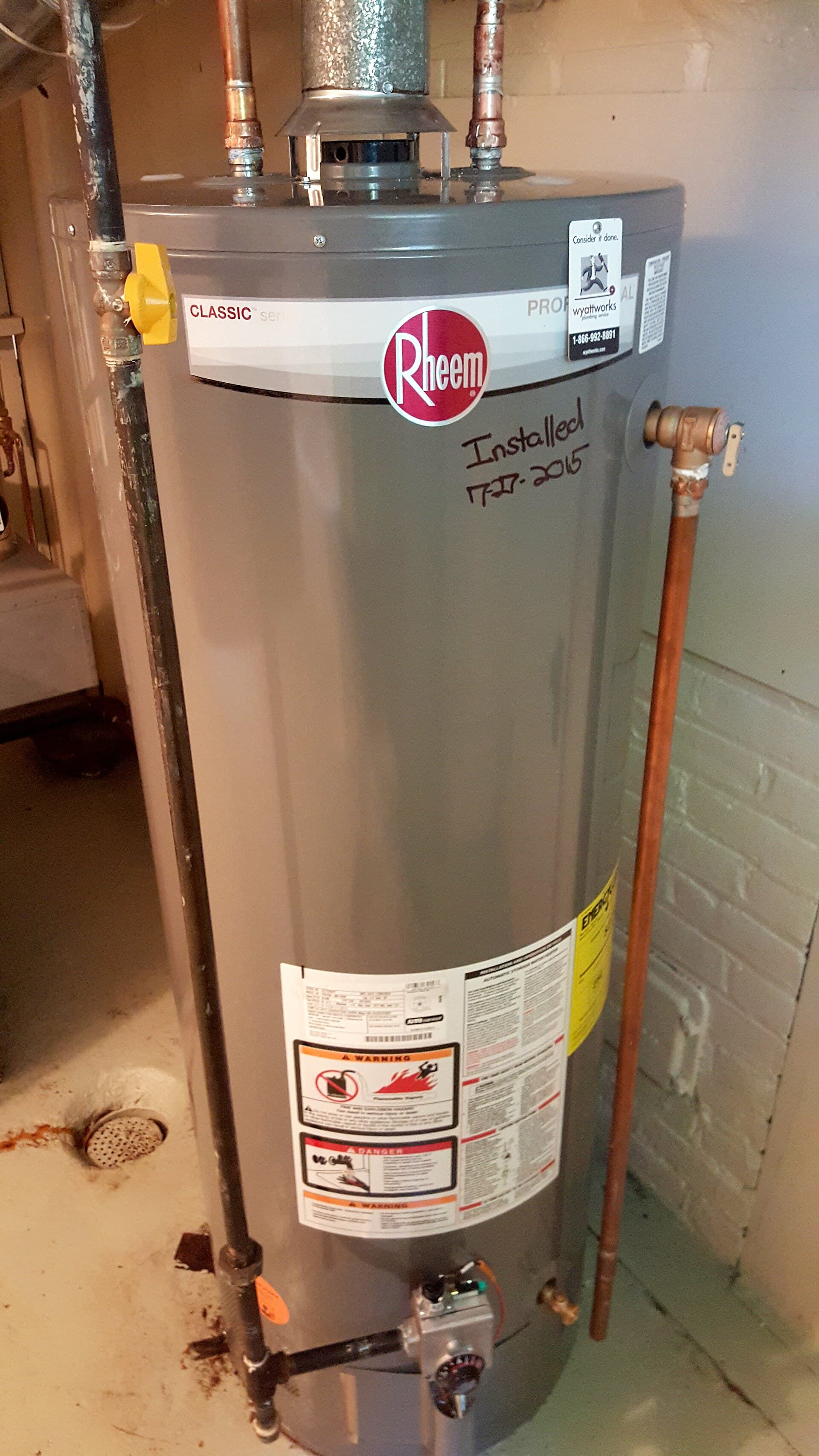
A tank-style water heater costs $600–$2,500 installed; a tankless unit costs $1,400–$3,900 installed, or up to $4,500+ when converting from tank to tankless due to extra venting and gas-line work. Professional labor alone typically makes up over half of the total cost.
Cost breakdown
| Item | Typical cost |
|---|---|
| Tank-style, installed (like-for-like swap) | $600 – $2,500 |
| Tankless, installed | $1,400 – $3,900 |
| Tank-to-tankless conversion | $1,500 – $4,500 |
| 30-gallon tank unit only | $430 – $2,100 |
| 40-gallon tank unit only | $440 – $2,300 |
| 50-gallon tank unit only | $530 – $2,900 |
| Tank installation labor | $150 – $450 |
| Tankless installation labor | $600 – $1,900 |
| Permits | $25 – $300 |
What changes the price
- Tank vs tankless — tankless units cost more upfront but last longer and use less energy over time.
- Fuel type (gas vs electric) — gas units often need venting work that electric units don't.
- Tank capacity/flow rate — bigger households need bigger tanks or higher-flow tankless units.
- Conversion complexity — switching from tank to tankless (or vice versa) usually means new venting, gas line sizing, or electrical work, not just a unit swap.
- Code-required upgrades uncovered during install (expansion tanks, seismic strapping, venting clearances).
How long it lasts
Tank water heaters typically last 8–12 years. Tankless units typically last 15–20 years, which is a major part of their value case despite the higher upfront cost.
Quote checklist
- Whether it's a like-for-like swap or a conversion (tank↔tankless) — conversions cost significantly more.
- Gas line and venting work included, if applicable.
- Expansion tank and code-required parts included, not billed as a surprise add-on.
- Manufacturer warranty length on the tank/heat exchanger specifically (not just labor).
- Old unit removal and disposal included.
FAQ
Is a tankless water heater worth the extra upfront cost?
It depends on how long you'll stay in the home and your hot water usage pattern. Tankless units cost more to install but last roughly twice as long as tank units and use less energy in standby, so the lifetime cost gap is smaller than the upfront price difference suggests — especially if your home already has the gas line capacity or electrical service a tankless unit needs.
Why does converting to tankless cost so much more than a like-for-like swap?
Tankless units need larger gas lines (for gas models) or significant electrical service upgrades (for electric models), plus different venting than a tank. If your home isn't already set up for it, that infrastructure work — not the unit itself — is what drives the higher conversion price.
Related costs
Sources & methodology
Cost figures on this page are sourced from published contractor and industry pricing data, cross-checked where possible, and shown as planning ranges — not a quote. Actual price depends on an in-home or on-site estimate.
- Water Heater Cost in 2026: DIY or Professional Installation? — NerdWallet, accessed 2026-09-16
Last reviewed: 2026-09-16